
Unravelling the Mystery of Mast Cell Activation: A Holistic Approach to Chronic Symptoms
Exploring the Connections Between Mast Cells, Nutrition, and Hormonal Imbalance in Chronic Health Issues
When Everything Feels Random—The Power of a Holistic Lens
Do you ever feel like your body is sending mixed signals? Fatigue, bloating, skin rashes, brain fog, heavy periods—yet every test result comes back “normal”? If you’ve been chasing answers across multiple specialities and still feel unwell, you’re not alone.
In a recent patient consultation, we pieced together a wide range of unexplained symptoms, each pointing toward one often-overlooked cause: Mast Cell Activation Syndrome (MCAS). This blog explores how nutrition, hormones, and your immune system interconnect, and how viewing the body as a whole, not just its parts, can change everything.
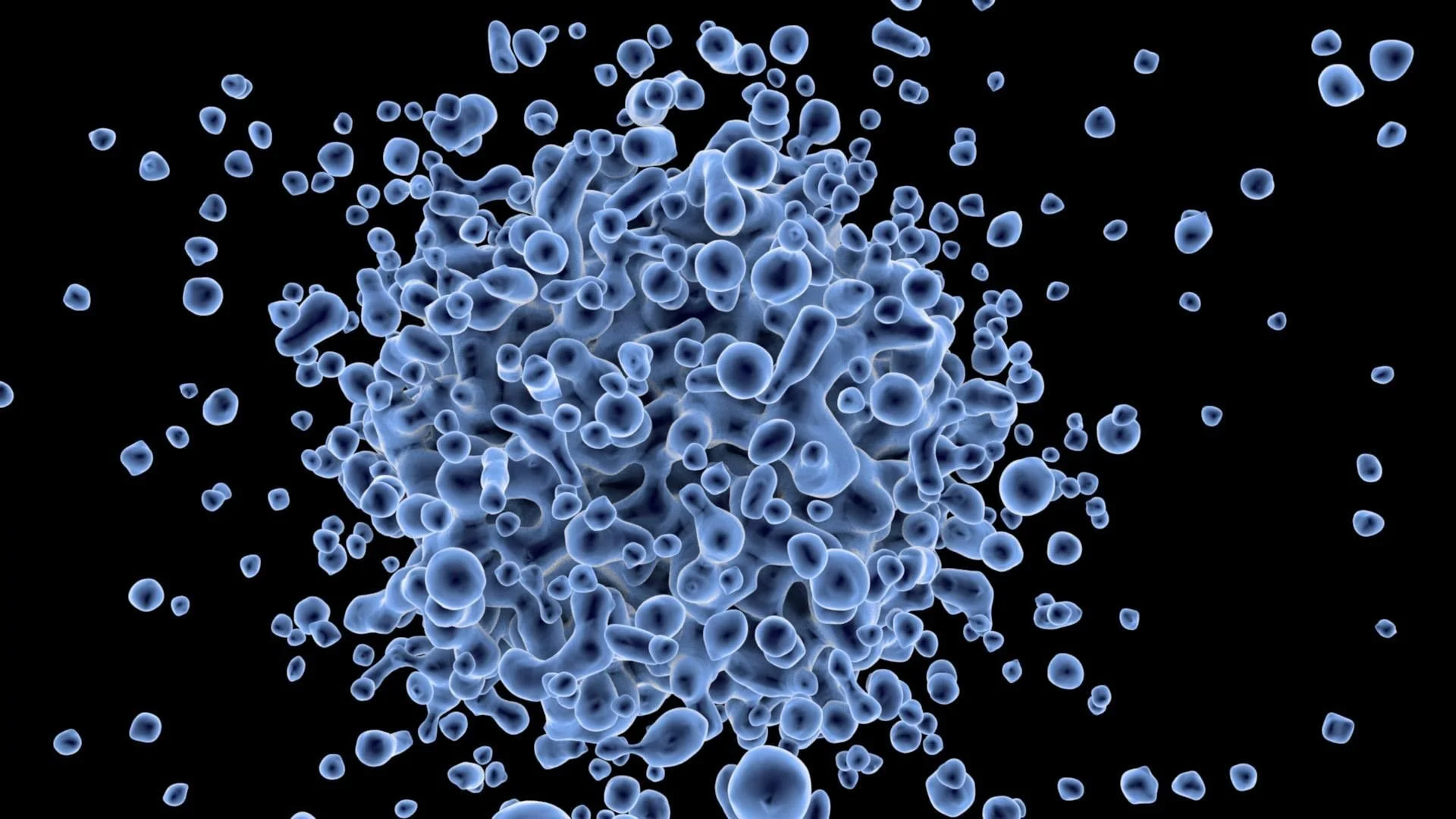
Meet the Mast Cells: Ancient Defenders Gone Rogue
Mast cells are part of your immune system, acting like first responders stationed in your skin, gut, lungs, and other tissues. Their job is to protect you by releasing chemicals (like histamine and many more) when there’s a threat. Researchers have identified 1000 different chemicals released by Mast cells. However, when they are overzealous, they release a flood of these chemicals with the slightest stimulus.
When mast cells are constantly “on edge,” they can trigger a wide range of symptoms, including:
Chronic or sudden attacks of fatigue
Gut issues like pain, burping, bloating, diarrhoea or constipation
Skin flushing, itching, burning or rashes
Brain fog or headaches
Heavy or irregular periods
Unexplained bruising, nasal congestion, or asthma-like symptoms, such as Shortness of breath or cough with phlegm
These symptoms often appear unrelated, but they may all be connected by one overactive immune player.
The Analogy: Your Body as a Busy Hotel
Imagine your body is like a large, luxurious hotel. Mast cells are the security guards, stationed in every room—from the lobby (your nose) to the kitchen (your stomach) and guest rooms (your skin).
Originally, these guards were trained to react only when danger approached. But now, they’re jumpy. They sound the alarm and release “security chemicals” even when nothing is wrong. Lights flicker (skin flushes), alarms go off (headaches), furniture rattles (bloating), and whole floors might shut down (fatigue, fog, pain).

Meanwhile, the maintenance crew tries to fix things. But they can't repair much if they’re short on tools- nutrients like zinc, B6, magnesium, iron, etc. Other departments like hormones or the thyroid may complain, but unless everyone’s looking at the whole hotel system, the root problem—those jittery mast cells—goes unaddressed.
Healing means more than fixing one broken light—it means calming the security guards, restocking maintenance supplies, and creating harmony in the entire building.
When Doctors Can’t Connect the Dots
Mast cell activation is challenging because it doesn't fit neatly into any medical speciality. You might visit an ENT for nasal congestion, a gynaecologist for heavy or painful periods, a gastroenterologist for bloating, diarrhoea, constipaiton or tummy pains, or a neurologist for migraines—yet no one sees the big picture.
This leaves many patients misdiagnosed with anxiety, stress, or vague syndromes when in reality, everything is connected through an underlying immune dysregulation.

The Nutrition Link: Deficiencies and Hidden Imbalances
Mast cell activity doesn’t happen in isolation—nutritional deficiencies often worsen it.
Zinc and Vitamin B6 are essential for calming mast cells and supporting hormonal balance.
Chronic stress or genetic variations (like pyrrole disorder) can deplete these nutrients, exacerbating symptoms.
Low iron or selenium levels can also affect the thyroid, worsening fatigue and hormonal shifts.
Magnesium, D, Folate, and B12 are all critical for mitochondrial function, inflammation etc.
Even your food choices matter. High-histamine foods like aged cheese, wine, fermented items, and leftovers can provoke flares. Simple dietary shifts—like avoiding high-histamine foods that affect you—can bring noticeable relief in some patients.
Hormonal Chaos: How Cycles Worsen Mast Cell Flares
Women often notice their symptoms intensify around ovulation or menstruation. That’s no coincidence. Estrogen (high levels) and progesterone (low levels) fluctuations can influence mast cell behaviour, leading to:
Heavier periods
Breast tenderness
Mood swings
Migraines
Healing is Possible: A Layered Treatment Plan
True healing requires a multi-faceted approach, targeting the root causes, not just the symptoms.
Key strategies include:
Targeted supplementation: Replace depleted nutrients like vit B complex, D, zinc, B6, Magnesium and iron—guided by testing.Mast cell stabilisers: Natural supports (like quercetin) or medications (like sodium cromoglycate) to calm reactions.
Dietary changes: Avoid food triggers, improve gut health, and focus on anti-inflammatory nutrition.
Stress reduction: Chronic stress heightens mast cell reactivity—mindfulness, breathwork, and nervous system support are essential.
Cycle and symptom tracking: Understanding your hormonal patterns helps tailor your interventions.

Conclusion: It’s Not All in Your Head—It’s All Connected
If your symptoms have felt “random” or dismissed, know that your experience is real, and there may be a unifying cause behind them. Mast cell activation, nutritional imbalances, and hormonal shifts often intertwine in complex but understandable ways.
Through a holistic lens, we can see the entire hotel, not just the flickering hallway lights. By calming the immune response, replenishing key nutrients, and restoring hormonal balance, the body can return to a place of peace, function, and flow.
You don’t have to live in a body that feels unpredictable. With the right roadmap, it is possible to find clarity, regain energy, and finally feel at home again in your own skin.
